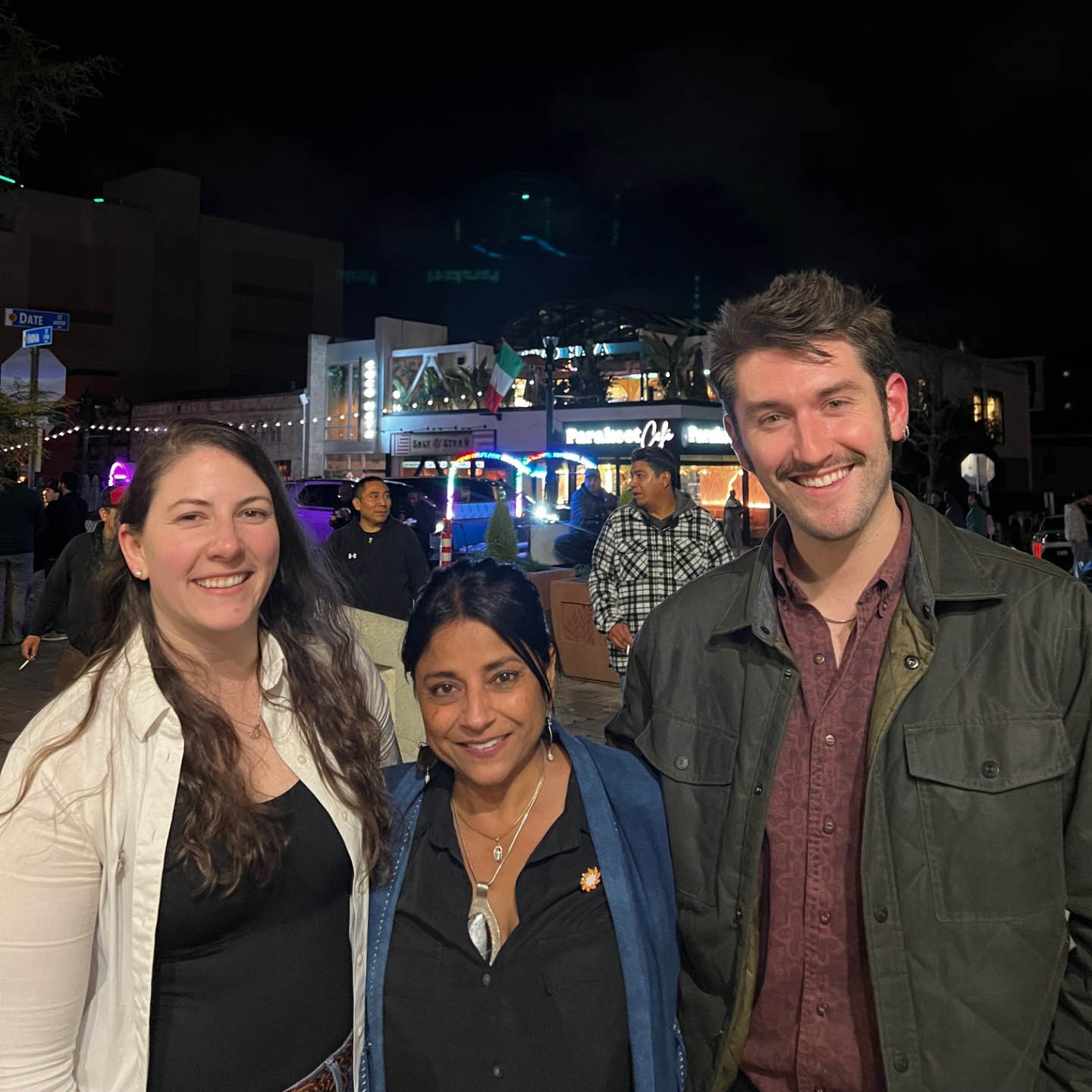
Reflections from AMI-USA 2026: A Montessori Movement in Motion
Reflections on AMI 2026
Tina Patel, CEO
I returned home from the AMI-USA conference in San Diego with a full notebook and an even fuller heart.
There is something grounding about being in a room filled with Montessori leaders. Heads of School, Guides, trainers, and administrators, all deeply committed to protecting the integrity of the child’s experience. At the same time, there was a palpable energy this year. Montessori is not standing still. It is expanding. And with that expansion come both opportunity and strain.
Here are three themes I heard again and again in conversations throughout the conference.
Takeaway #1: Montessori Is Growing, and Schools Are Feeling It
Montessori education is growing across the United States. Schools are adding classrooms. Some are expanding into new levels. Others are opening second campuses. Demand from families remains strong.
On the surface, this is encouraging.
Beneath the surface, many leaders are tired.
I spoke with administrators managing enrollment waitlists while also worrying about long-term stability. Growth requires staffing. Staffing requires recruitment, training, mentorship, and cultural alignment. It also requires physical space, materials, and financial planning. Most of all, it requires systems that can stretch without breaking.
Several Heads of School shared concerns about burnout. Not only teacher burnout but also administrative fatigue, decision fatigue, and constant problem-solving. The feeling of always being on.
Montessori leaders are culture carriers. They hold the vision of the prepared environment not only for children but also for adults. Yet many say the adult environment feels increasingly reactive.
Montessori is not immune to the broader educational landscape. Schools are navigating staffing shortages, rising parental expectations, and financial pressures. What I saw in San Diego was not fear. It was discernment.
Leaders are asking thoughtful questions. How do we grow without losing ourselves? How do we protect the adult so the adult can protect the child?
Growth without structure leads to strain. Growth supported by strong systems leads to resilience.
Takeaway #2: Technology Built for Guides and Admins Reduces Stress and Strengthens Culture
If you had asked me a few years ago whether AMI leaders would openly discuss technology in the prepared environment, I might have hesitated.
This year, the conversation felt different.
Technology was not framed as a replacement for Montessori principles. It was discussed as support.
Administrators are looking for systems that scale with their schools. They want tools that reduce administrative fatigue rather than add to it. They want structures that keep Guides strong in the classroom, not pulled into endless paperwork or fragmented communication.
Several themes surfaced repeatedly:
· Building organizational trust through transparent communication
· Protecting adult capacity
· Revisiting policies and systems that no longer serve the school
· Strengthening documentation culture
When documentation is inconsistent, communication becomes reactive. When communication is reactive, trust erodes. And when trust erodes, culture suffers.
Montessori education depends on clarity. Clear observation. Clear record-keeping. Clear communication with families. Clear roles among adults.
Technology built specifically for Montessori Guides and administrators can support that clarity. Not by adding more noise, but by simplifying the work that surrounds the classroom.
When a Head of School can view enrollment, billing, attendance, and communication in one place, decision fatigue decreases. When a Guide can document lessons and observations without juggling multiple systems, the mental load lightens. When reports are structured and accessible, conversations with parents become thoughtful rather than rushed.
Several leaders spoke about what they called system repair. The discussions centered on policies that need revision, identified processes that drain adult energy, and protected the adult so the adult can remain steady for the child.
Thoughtful technology belongs behind the classroom, not in front of it. It should quietly support the work rather than interrupt it.
If Montessori is about preparing the environment for the child, we must also prepare it for the adult.
Takeaway #3: Parents Want More Insight Than Ever
Another strong undercurrent at the conference was the evolving relationship between schools and families.
Parents today expect transparency. They want insight into what their child is experiencing, not in a performative way but in a meaningful one. Families are investing deeply in Montessori education and want to understand the value of that investment.
At the same time, Guides do not want to feel as if they are constantly justifying their work.
This tension is real.
A healthy documentation culture helps bridge the gap.
When lesson presentations, observations, and developmental notes are captured thoughtfully, communication with parents becomes proactive rather than reactive. This builds mutual respect, supports shared decision-making, and strengthens trust.
Administrators often spoke about building organizational trust, both internally and externally. Transparent communication is not about oversharing. It is about clarity and consistency.
Parents do not need to see every moment of the day. They do need a window into the work.
The modern Montessori family is informed and engaged. They value authenticity. Schools that offer structured, meaningful insight without overburdening Guides are better positioned to retain families and strengthen community culture.
In many conversations, I heard a desire to move beyond scattered emails, paper folders, and disconnected systems. Schools want communication that reflects the Montessori classroom's own intentionality.
When parents feel informed and respected, tension decreases. As tension decreases, Guides feel supported rather than scrutinized. As Guides feel supported, the culture grows stronger.
A Montessori Movement in Transition
As I left San Diego, I felt a renewed sense of responsibility.
Montessori is growing. Schools are evolving. Leaders are navigating staffing realities, financial pressures, and rising expectations while staying true to a philosophy that centers the child.
What struck me most was not the anxiety but the resolve.
Heads of School are examining their systems, asking hard questions about retention and recruitment, building adult capacity, protecting language, identity, and integrity, and exploring technology not as a shortcut but as scaffolding.
At noorana, our role is not to change Montessori.
Our role is to support it.
We believe modern Montessori environments deserve modern tools built specifically for Guides and administrators. Tools that reduce stress rather than create it, support a documentation culture, enable transparent communication, and drive sustainable growth.
Montessori education has always adapted thoughtfully to the needs of its time without compromising its core principles.
The children remain at the center. The Guides remain the culture carriers. The prepared environment remains sacred.
Our commitment is to strengthen the structures around them so they can do their work with clarity and confidence.
If you are a Head of School or administrator navigating growth, administrative fatigue, or rising parent expectations, know that you are not alone.
noorana supports the modern Montessori environment for children, Guides, and administrators, so that growth becomes sustainable, culture becomes resilient, and the work that matters most remains at the center.